This site uses cookies for analytics and to improve your experience. By clicking Accept, you consent to our use of cookies. Learn more in our privacy policy.
In increasingly complex organisational environments, leaders are required to balance operational delivery with people leadership, strategic thinking, and resilience under pressure.
Most leaders do not experience themselves in the same way others experience them.
They may believe they are communicating clearly, remaining composed under pressure, empowering others effectively, or influencing strategically, while colleagues, direct reports, and key stakeholders experience something different. Equally, many leaders underestimate strengths that are already highly visible to those around them. This is one of the most valuable aspects of a 360° feedback process.
Collecting 360 feedback is the easy part. Helping people act on it is where growth happens. In our latest article, we unpack why most 360 processes stall after the feedback session and the six practices that turn insight into real behavioural change.
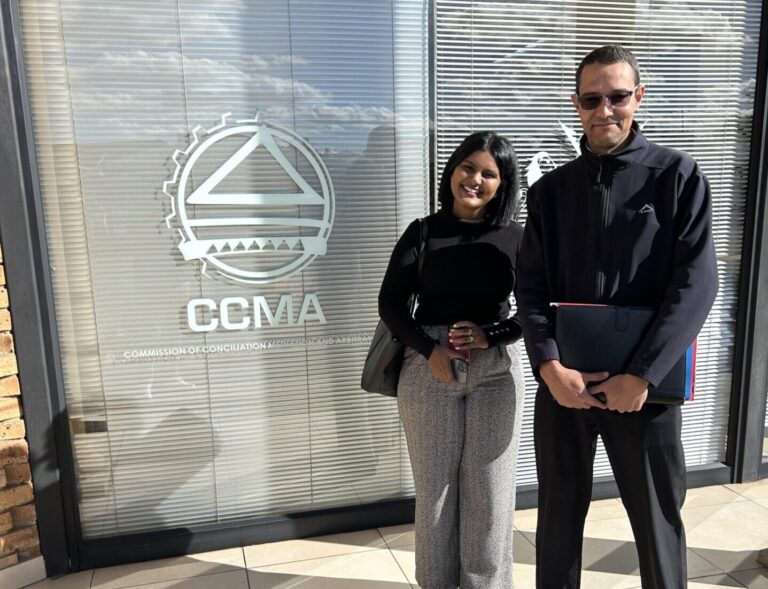
Industrial Psychology covers a wide range of disciplines from psychometric assessments and career development to organisational behaviour and labour relations. As an IOP intern, I spend a lot of my time in the world of people and assessments. Labour relations, however, is something I had mostly only engaged with through theory. Last week, that changed.
Working overtime wasn’t exceptional. It was the baseline required to avoid being labelled an underperformer. Weekends blurred into weekdays. Missing a Saturday required justification. Finishing tasks efficiently did not create breathing room; it simply created more tasks.