|
||||||||||||||
|
||||||||||||||
|
I am delighted that you are reading this newsletter. It is another way in which we can communicate with you and share a sample of what is going on inside our endlessly interesting business. My hope is that you will peruse the content below and interact with us in improving our services to you. Harvesting information from many candidates produces fascinating information. Many years ago, when I entered the world of psychometric assessments, the main product was the individual report. Before technologies helped us produce them much quicker, a factory of psychometrists would craft individual written reports, racing against time to get them out before the merciless deadlines. It was a slog. Over time, by building efficiencies into the process our staff were able to produce better quality reports in a shorter period. The time saved brought our account managers closer to their clients, giving more energy to aspects such as talent management. We had always produced megabytes of data, but it wasn't exploited in the way it is nowadays. These days we are increasingly in the business of turning data into information. Business intelligence. The individual report is still a crucial document, but the harvesting of information from many candidates produces fascinating information. By combining assessment data, with other organisational data such as culture surveys, performance metrics or engagement results, new complex insights can emerge. Data holds hidden truths, we just need the imagination to release it from our databases and onto our client dashboards. Read the article for some practical demonstrations of this. Hilton Rudnick - Managing Director
How to maximise your psychometric data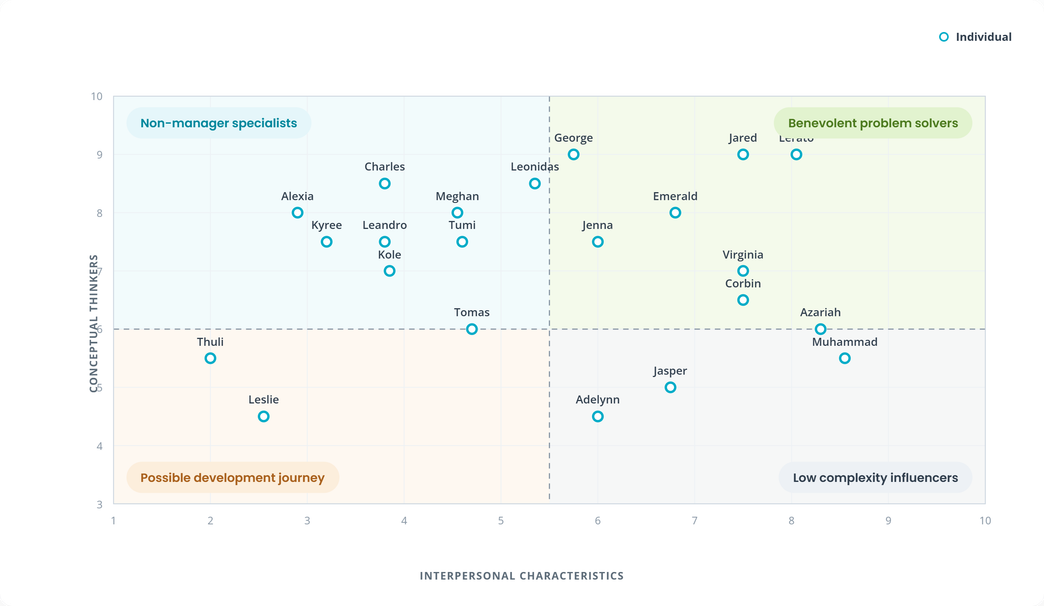
|
||||||||||||||
|
In the spotlight Employee Engagement Data Observations – Part 1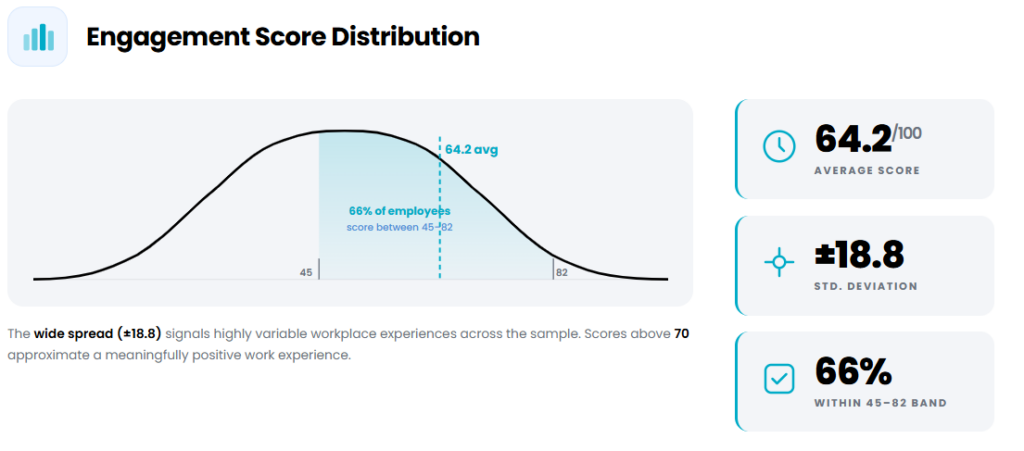
Looking at a recent dataset comprising about 8500 individuals across 14 sectors and 36 companies we have observed the following:
With engagement scores ranging from 1 to 100, the average score was 64.2 and a std deviation of 18.8.
|
||||||||||||||
|
Updates: What's New |
||||||||||||||
|
||||||||||||||
|
Learn
|
||||||||||||||
|
In this episode of the Radio Omnicor podcast we're exploring one of the most overlooked yet powerful skills in leadership, listening. 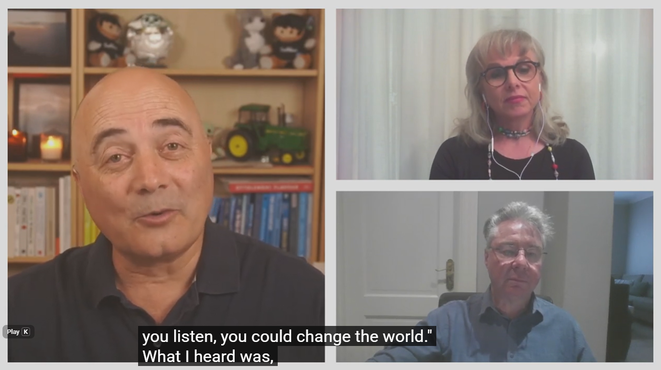
Our guest is Oscar Trimboli, author, speaker, and mentor, whose life's work is dedicated to helping leaders and teams listen beyond the words. Oscar is the host of the award-winning Deep Listening Podcast, has spoken with audiences around the world, and is the author of How to Listen: Discover the Hidden Key to Better Communication. This episode is a little different. Instead of shaping the questions ourselves, we started by listening first, inviting our community to share what they most wanted to know about listening in the workplace and in life. Together, we'll explore how to listen when emotions run high, when interruption can deepen understanding, and how leaders can model present listening in their teams. |
||||||||||||||
|
||||||||||||||
|
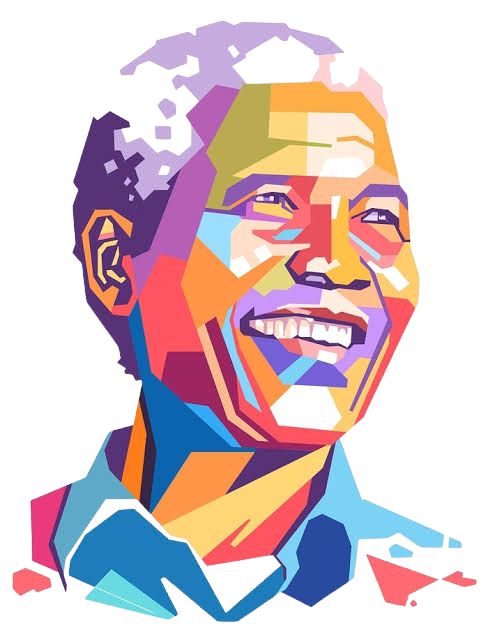
Our People Nelson Mandela Day Our team took time to honour Madiba's legacy through service, connection, and giving back to our communities. Here is a quick snapshot of how everyone spent their 67 minutes: 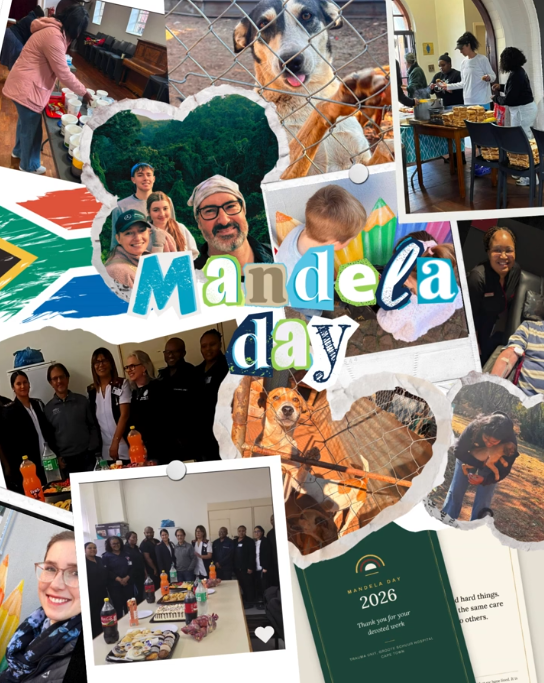
"Joined a school drive with family, dropping off supplies at an underprivileged school and talking with the kids about equality, dignity, and why giving back matters." - Allayne "Returned to my former workplace, the Trauma Unit at Groote Schuur Hospital, to deliver treats, goodies, and handwritten thank-you cards to the hardworking doctors and nurses." - Colleen "I spent the day at One Stop Animal Rescue in Harties, delivering food and showering over 100 animals with cuddles and care." - Cora "I partnered up to spend the morning at St Columba's Presbyterian Church, sharing warm soup, fresh muffins, and sweet fruit with the community." Taryn I donated blood, remembering that a single donation can help save up to 3 lives." - Hilton My family and I launched a partnership with the South African Reforestation Trust (SAReforest) through GreenQuotes.co.za to donate a tree for every solar installation." - David To everyone honouring Madiba's memory through service this past week thank you for the example you set. #throwback #mandeladay2026 |
||||||||||||||
|
||||||||||||||
|
||||||||||||||
|
Team Desk / OD Self Coaching: AI Prompts |
||||||||||||||
|
Most of us do our best thinking out loud, but a coach is not always in the room. So here is a prompt that turns an AI tool into a coaching thinking-partner: it asks the questions you would rather skip, instead of giving you answers. To be clear about what it is. This is not a substitute for coaching. A real coach reads what you are not saying, holds you accountable over time, and stays with you. This does none of that. What it is: a useful resource for the moments when you need to think something through and no one is available. Use it to surface the question, then take the real work to your coach. The prompt:
|
||||||||||||||
|
Upcoming Events |
||||||||||||||
|
||||||||||||||
|
||||||||||||||

Employee engagement surveys, 360-degree feedback, psychometric assessment management, psychometric assessment services and executive coaching.
You are receiving TouchPoints because you are a client or contact of Omnicor. |